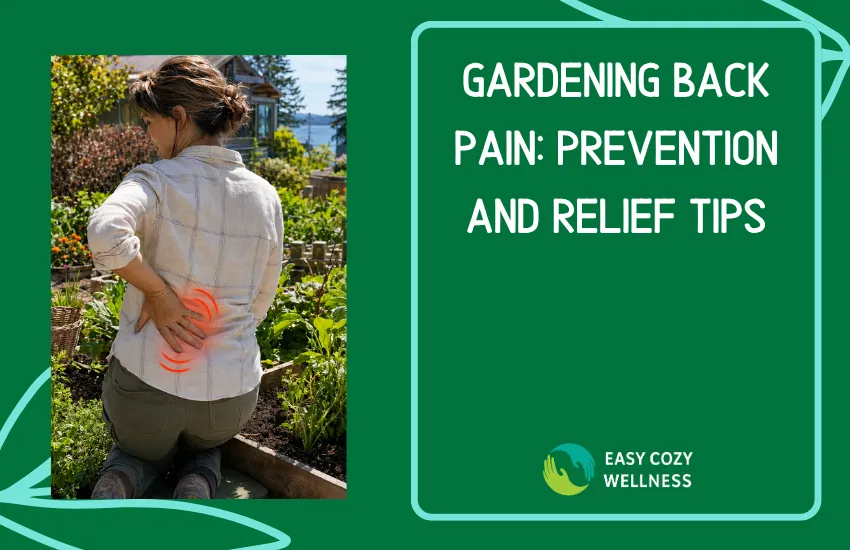
Gardening Back Pain: Prevention and Relief Tips
Gardening back pain typically shows up after prolonged bending, kneeling, or twisting motions that put sustained strain on the lower back muscles rather than from any single injury. At Easy Cozy Wellness in Nanaimo, we see a predictable spike in this kind of pain every summer as clients spend long weekends in the yard. The good news is that most gardening-related back pain is muscular and responds well to a combination of better technique and targeted massage.
Why Does Gardening Cause So Much Back Pain?
Gardening involves a repetitive combination of forward bending, twisting at the waist, and sustained awkward postures, weeding at ground level, reaching into raised beds, hauling bags of soil, all of which load the lower back muscles and spinal discs more than most people realize. Unlike a single heavy lift, gardening injuries often build gradually over an afternoon as fatigued muscles compensate less effectively with each passing hour.
The Cleveland Clinic identifies repetitive bending and twisting as common contributors to lower back strain, noting that the combination of poor posture and sustained awkward positions is often more damaging over time than a single forceful movement.
What's the Most Common Gardening Back Pain Mistake?
Bending from the waist instead of the hips and knees is, by a wide margin, the most common mistake we see. When you bend forward from the waist to pull a weed or reach a low plant, the lower back muscles and discs absorb most of the load. Bending from the hips and knees, essentially a modified squat, shifts that load to the stronger muscles of the legs and glutes instead.
A close second is staying in one position too long. Kneeling or crouching for 20 or 30 minutes without shifting position lets muscles fatigue and stiffen, which is exactly when a sudden twist or reach tends to trigger a flare-up.
How Can You Prevent Back Pain While Gardening?
A few practical adjustments make a meaningful difference:
Bend from your hips and knees, not your waist, when reaching low plants or weeding.
Use a knee pad or gardening stool to avoid prolonged crouching in one fixed position.
Change position every 15 to 20 minutes, standing, stretching, and walking briefly before returning to a task.
Lift bags of soil or mulch with your legs, keeping the load close to your body rather than reaching and twisting at the same time.
Warm up before heavy yard work, the same way you would before exercise; gardening is physical activity even though it rarely gets treated that way.
WorkSafeBC's ergonomic guidance for repetitive bending tasks recommends alternating positions frequently and keeping loads close to the body, principles that apply just as directly to a weekend in the garden as to a workplace task.
Can Massage Help After a Day of Yard Work?
Yes, and this is one of the more straightforward cases where massage is clearly the right tool. Muscle fatigue and tightness from a day of bending and twisting responds well to deep tissue work on the lower back and glutes, combined with acupressure to address the broader pattern of tension that builds across the back and hips. A 60-minute full body session ($70) is generally enough to address post-gardening soreness, while a 90-minute session ($105) allows extra time if the tightness has spread into the shoulders and neck from hauling and reaching.
Massage after a hard day in the garden is not just about comfort; addressing muscle tightness proactively can reduce the odds of a minor strain turning into a more stubborn, lingering issue over the following days.
When Is Gardening Back Pain a Sign of Something More Serious?
Most gardening back pain is muscular and improves within a few days with rest, gentle movement, and massage. See a doctor or physiotherapist instead if you notice:
Pain that radiates down one leg, particularly past the knee
Numbness, tingling, or weakness in the leg or foot
Pain that hasn't improved at all after a week
A specific, sudden sharp pain during a lift, which may indicate a more significant strain or disc issue rather than general fatigue
If any of these apply, a proper assessment should come before continuing with massage as the main approach.
Frequently Asked Questions
How long does gardening back pain usually last? Muscular soreness from a day of yard work typically eases within two to four days with rest, gentle stretching, and massage. Pain lasting longer than a week warrants a closer look.
Should I stretch before or after gardening? Both. A brief warm-up before heavy bending and lifting prepares the muscles, and gentle stretching afterward helps prevent the stiffness that often sets in the next morning.
Is it better to ice or use heat for gardening back pain? Heat is generally more useful for muscular tightness and stiffness from repetitive movement, while ice is more appropriate for acute, sudden strain with noticeable swelling. When in doubt, gentle warmth and movement tend to help general soreness more.
Can massage prevent gardening back pain, not just treat it? Regular massage that keeps the lower back and hip muscles loose can reduce how quickly they fatigue during a long gardening session, which does lower the odds of strain, though good bending technique still matters most.
Final Suggestion: If yard work has left your lower back tight and achy, a session combining deep tissue massage with the same principles covered in how acupressure relieves back pain is a solid starting point. Clients managing ongoing stiffness alongside age-related joint changes often find our guide for seniors useful as well, since many of the same posture principles apply. You can book a session directly at easycozy.ca/booking.

