7 Places Stress Is Stored in the Body (And Why It Hurts)
7 Places Stress Is Stored in the Body (And Why It Hurts)
Stress is stored in the body as physical muscle tension, and the locations are more predictable than most people realise. The areas where stress accumulates are not random: they are the regions where your nervous system triggers a protective bracing response, where your breathing patterns change, and where repeated micro-contractions gradually build into chronic tightness and pain.
Understanding where stress lives in your body explains why you feel sore after a difficult week even if you have not done any physical activity. It also explains why relaxation alone rarely resolves the tension, because by the time stress has been held in the muscles for weeks or months, it needs more than rest to release. This post maps seven specific locations and explains what to do about each one.
New Blog Post
7 Places Stress Is Stored in the Body (And Why It Hurts)
The 7 places where stress is stored in the body
Why stress turns into lasting physical pain
What you can do to release stored stress
Addressing stored stress at a deeper level
Stress and body tension treatment in Nanaimo
Where is stress stored in the body?
How long does it take for stress-held body tension to release?
The 7 places where stress is stored in the body
Stress activates the sympathetic nervous system — the "fight or flight" response — which causes muscles throughout the body to contract in preparation for action. When stress is chronic rather than acute, these muscles never fully release. The result is persistent tension in predictable locations. According to the Cleveland Clinic, chronic psychological stress is one of the leading causes of musculoskeletal pain, with the neck, shoulders and lower back consistently identified as primary storage sites.
1. Neck and upper trapezius
The shoulders rise and the neck muscles brace when you are under stres, it is one of the most automatic human responses to threat. After weeks of elevated stress, the upper trapezius and levator scapulae develop trigger points that cause the familiar heavy, tight sensation across the top of the shoulders and into the neck. This is the single most common location where stress accumulates in the body.
2. Jaw and face
Jaw clenching and teeth grinding are well-documented stress responses. The masseter, the large muscle at the side of the jaw, is one of the strongest muscles in the body relative to its size. Chronic clenching creates masseter tension that radiates into the temples, behind the eyes, and into the neck. Many people who complain of unexplained headaches are actually experiencing referred pain from a stress-loaded jaw.
3. Lower back
The psoas muscle runs from the lower spine through the pelvis to the top of the femur. It is directly connected to the diaphragm and responds to the stress response by contracting. Chronic psoas tension pulls the lower spine forward, increases lumbar lordosis, and produces persistent lower back pain that does not obviously correspond to any physical injury or activity. This is why lower back pain is disproportionately common in people going through periods of high stress.
4. Chest and diaphragm
Stress changes breathing patterns, most people shift to shallow chest breathing when anxious or pressured. Shallow breathing keeps the diaphragm in a partially contracted state and causes the intercostal muscles between the ribs to tighten. Over time this creates a feeling of tightness or pressure in the chest, reduced lung capacity, and a sensation of not being able to take a fully satisfying breath. The tension is muscular, not cardiac, but it is very real.
5. Hips and glutes
The hips are sometimes described as the emotional storage area of the body, and there is a sound anatomical basis for this. The piriformis and surrounding hip rotator muscles are directly activated by the stress response. Chronic hip tension often goes unnoticed until it starts producing low back pain, sciatic-type sensations, or difficulty sitting comfortably for long periods. Many people who have released significant hip tension through massage or acupressure report a strong emotional response alongside the physical relief.
6. Abdomen and gut
The gut-brain axis is well established in research. Stress directly affects gut motility, muscle tension around the digestive organs, and the sensation of bloating or cramping even in the absence of dietary causes. The muscles of the abdominal wall also tighten in response to stress, a protective bracing around the core that becomes habitual and contributes to lower back strain by altering spinal mechanics.
7. Hands and forearms
Gripping and bracing in the hands is a common unconscious stress response, clenching your fists, gripping a steering wheel or mouse tightly, or holding a phone with excessive force. The forearm flexors and the small muscles of the hand become chronically overloaded, producing tightness, fatigue, and sometimes pain or tingling in the fingers. This pattern is increasingly common with extended screen use. Statistics Canada data confirms that musculoskeletal pain related to computer use has increased significantly over the past decade, with the hands and forearms among the most affected areas.
Why stress turns into lasting physical pain
The transition from temporary stress tension to chronic physical pain follows a consistent pattern. Acute stress causes muscles to contract. If the stress resolves quickly, the muscles release. If the stress continues — or if the same stress response is triggered repeatedly — the muscles begin to adapt to a shortened, contracted baseline.
At this point, the tension is no longer just a response to stress. It has become the resting state of the muscle. The nervous system has recalibrated what "normal" feels like, and the muscles now hold tension even during sleep, even on weekends, even when the original stressor is removed.
This is why people are often surprised to discover that removing the stressor, changing jobs, ending a difficult relationship, finishing an overwhelming project, does not automatically resolve the physical pain. The body needs direct intervention to reset the tension baseline. For relief from stress-related body tension in Nanaimo, massage and acupressure work directly on the shortened muscle tissue and the nervous system patterns driving the chronic contraction.
What you can do to release stored stress
Immediate steps
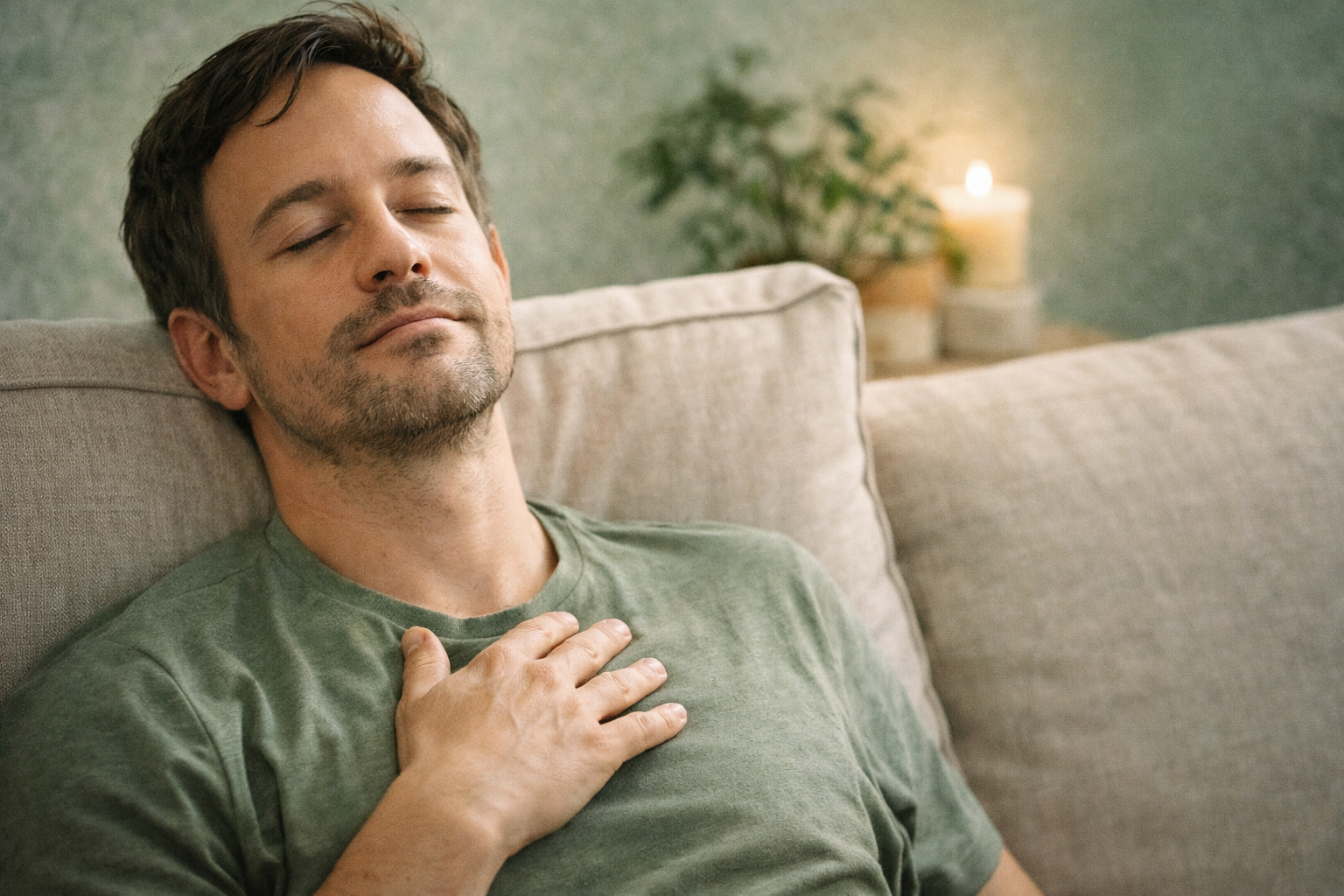
Diaphragmatic breathing: place one hand on your chest and one on your belly. Breathe so that only the lower hand moves. Five minutes of this activates the parasympathetic nervous system and begins to release psoas and diaphragm tension.
Progressive muscle relaxation: tense each muscle group for 5 seconds, then release deliberately. Start with the feet and work upward. This technique specifically targets the unconscious muscle bracing pattern that stress creates.
Heat on the upper trapezius and neck: 15-20 minutes before bed. Heat increases circulation and helps trigger points release, particularly in the shoulders.
Jaw release: place your tongue on the roof of your mouth and let your back teeth separate slightly. This is the anatomically neutral jaw position, the masseter is fully relaxed. Most people discover they are clenching when they first try this.
Addressing stored stress at a deeper level
Self-management techniques manage the symptoms of stored stress, but they do not fully reset the muscle tension patterns that chronic stress has established. Hands-on treatment, particularly massage and acupressure targeting the specific storage sites identified in this post, works at the level of the tissue itself. A 2024 review published by the Government of Canada's Health Canada division confirmed that therapeutic massage is an evidence-supported intervention for stress-related musculoskeletal pain, particularly when targeting the trapezius, lumbar, and hip regions.
At Easy Cozy, sessions addressing stress-held tension combine deep tissue massage on the storage sites, upper trapezius, lower back, hips, with acupressure on the associated nervous system points. Many clients report that this combination produces a noticeably different quality of release compared to massage alone: a deeper letting-go that is felt both physically and mentally.
If you recognise your body in this post, the tight neck, the clenched jaw, the lower back that never fully settles, you are not alone. Most of our clients at Easy Cozy carry stress in their body for months before they find something that actually reaches it.
Book a session and let us release what your body has been holding.
Book Now: https://easycozy.ca/booking
When to get professional help
Stress-held body tension is extremely common and very well suited to massage and acupressure treatment. However, some presentations need medical attention first.
Chest tightness accompanied by shortness of breath, dizziness or pain radiating to the arm - see a doctor to rule out cardiac causes before assuming it is stress-related
Abdominal pain or digestive symptoms that are severe, persistent, or worsening - get a medical assessment
Jaw pain severe enough to limit opening your mouth or eating - see a dentist or GP
Body tension accompanied by symptoms of severe depression or anxiety - speak with your GP or a mental health professional alongside any physical treatment
Hip pain with nerve-type symptoms such as numbness, tingling or weakness in the leg - get a medical assessment before massage
If none of those apply, the tension you are carrying is muscular and responds well to the kind of targeted treatment Easy Cozy provides.
Stress and body tension treatment in Nanaimo
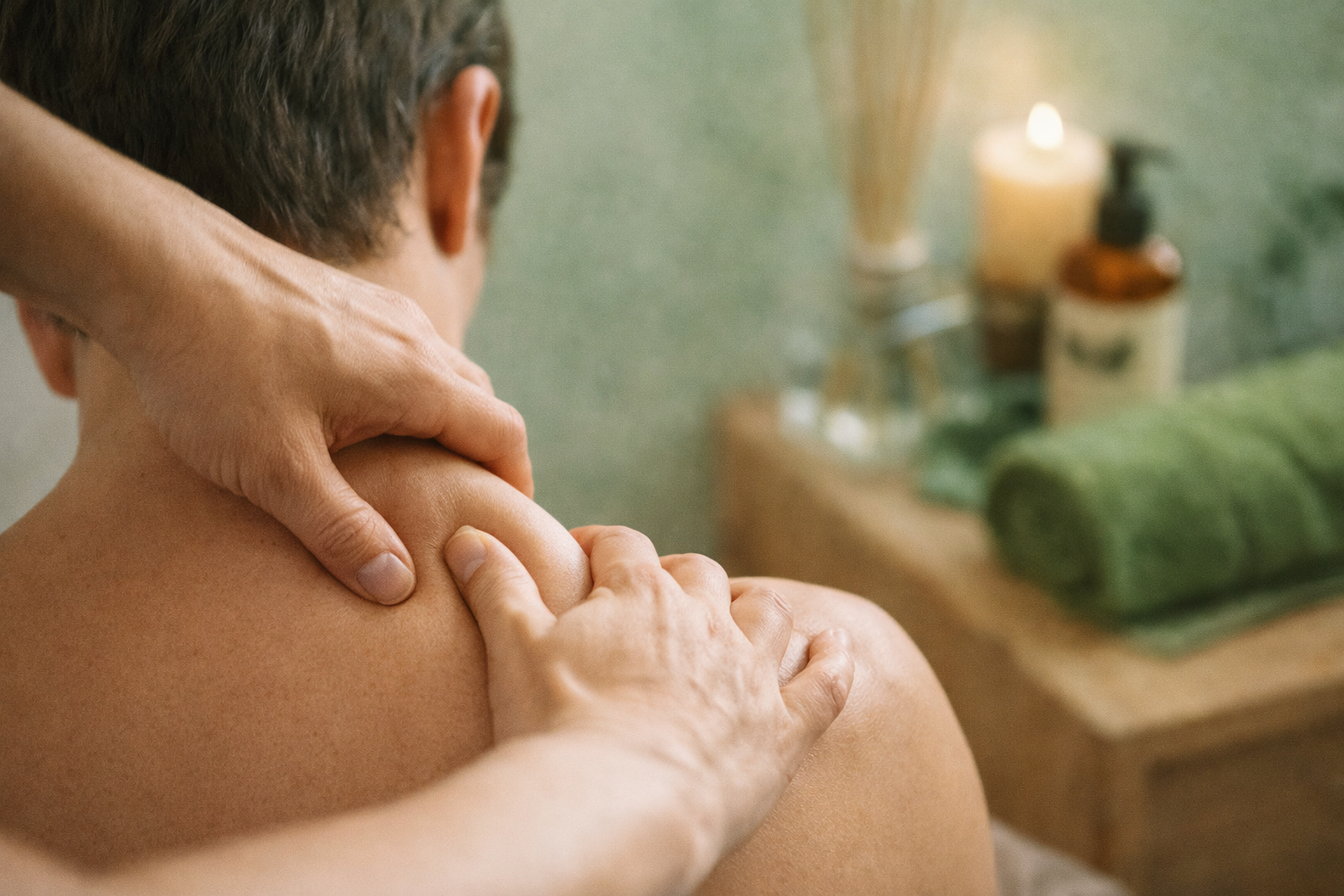
At Easy Cozy in Nanaimo, stress-held body tension is one of the most frequent presentations we treat. The pattern is consistent: people arrive carrying months of accumulated tension in the neck, upper back, lower back and hips, usually aware that stress has contributed but surprised by just how physically embedded it has become.
Sessions focus on the seven storage sites identified in this post, prioritised by where the tension is most acute for each person. The combination of deep tissue massage on the primary storage areas and acupressure on the associated points tends to produce a notably deeper release than either approach alone. Acupressure is particularly effective for the psoas, hip and diaphragm tension that standard massage cannot fully reach.
There is no referral needed and no waitlist. Most people can book within the same week. If you have been managing stress-related body tension in Nanaimo with self-care alone and finding only temporary relief, a targeted session addressing the underlying muscle patterns will typically produce lasting change that self-management cannot.
If you recognise your body in this post, book a session at Easy Cozy. We will work through the specific places your body is holding stress and give you real, lasting relief.
Book Now: https://easycozy.ca/booking
Frequently asked questions
Where is stress stored in the body?
Stress is stored in the body primarily in the neck and upper trapezius, the jaw, the lower back and psoas, the chest and diaphragm, the hips and glutes, the abdomen, and the hands and forearms. These are the areas where the nervous system triggers a bracing response during stress. When stress is chronic, the muscles in these locations adapt to a shortened, contracted baseline that persists even after the stressor is removed.
How long does it take for stress-held body tension to release?
It depends on how long the tension has been building. Acute stress tension from one difficult week may resolve within a few days of rest and self-care. Chronic tension, built over months or years, typically requires hands-on treatment to reset. Most clients notice meaningful relief after one to two massage sessions targeting the primary storage sites, with further improvement over a short course of treatment.
Can massage release stress stored in the body?
Yes. Massage and acupressure work directly on the shortened muscle tissue and fascial restrictions created by chronic stress tension. They also activate the parasympathetic nervous system, the rest-and-digest response, which counteracts the sympathetic activation that drives stress-held tension in the first place. Many clients report both physical and emotional relief from a session targeting the primary stress storage sites.
Why does my body hurt more when I am stressed?
Stress increases pain sensitivity through two mechanisms. First, it keeps muscles in a state of contraction, which increases pressure on pain receptors and creates physical discomfort. Second, the stress hormones cortisol and adrenaline lower the pain threshold, making existing tension feel more intense. This is why the same muscle tension that is barely noticeable during a calm week becomes significantly more painful during a stressful one.
Final Suggestion
If you’re looking for massage therapy in Nanaimo that helps you feel relaxed, refreshed, and back to your best, Easy Cozy Wellness is here to help.
We focus on real results, not just temporary relief. Whether you’re dealing with daily tension, chronic discomfort, or simply need time to unwind, our treatments are designed to support your body and your overall well-being.
We regularly help clients with:
Sciatic pain (sciatica)
Hip pain
Knee pain
Elbow pain (tennis elbow, golfer’s elbow)
Leg pain and muscle tightness
Foot pain and plantar fasciitis
Hand and wrist pain (including carpal tunnel symptoms)
Joint pain and inflammation
Muscle soreness and post-workout recovery
Chronic pain conditions
Nerve pain and tension
Upper back and mid-back pain
Glute pain and piriformis syndrome
Calf tightness and strain
Shin splints
Ankle pain and mobility issues
Postural pain from sitting or desk work
Repetitive strain injuries (RSI)
Stress, tension, and fatigue
Our services include:
Relaxation massage
Deep tissue massage
Therapeutic massage
Pain relief massage
Stress relief treatments
Wellness and recovery sessions
Preventative body care
At Easy Cozy Wellness, the goal is simple. Help your body feel better, move better, and recover faster.
If you’ve been searching for:
massage therapy Nanaimo
best massage Nanaimo
affordable massage Nanaimo
deep tissue massage Nanaimo
relaxation massage Nanaimo
pain relief massage Nanaimo
wellness clinic Nanaimo
You’re in the right place.
Give us a call at 778-561-0208 and book your next wellness appointment today.
Or visit https://easycozy.ca/ to learn more about our services, see current offers, and review our satisfaction guarantee.
We’re proud to offer a more affordable option compared to many local providers, without compromising on quality or results.
Once you experience the difference, you’ll understand why so many people choose Easy Cozy Wellness for ongoing care.
You can schedule your massage appointment here:
Relaxation is not a luxury — it’s an essential part of staying healthy and energized.
Your body will thank you. Talk soon.

